
There is something about walking beside a river that makes a hike feel slower. You stop to look at the water, cross from one bank to the other, scramble over rocks, or linger beside a pool that looks too inviting to ignore.
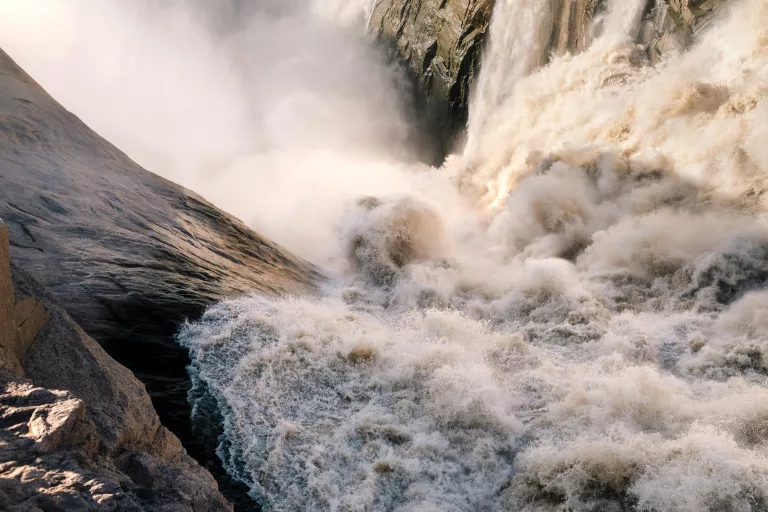
Photo by Sean Brookes / Unsplash
South Africa has no shortage of spectacular rivers, but you do not always need a canoe or raft to experience them. Some of the country’s most rewarding water-based adventures happen on foot, following rivers through mountain valleys, gorges, forests and increasingly rugged landscapes.
From a river trail near Cape Town to a multi-day wilderness route in the Northern Cape, these are some of the places where the best way to experience the river is simply to follow it.
Kromrivier Trail, Western Cape
If you like your hikes with a little water underfoot, Kromrivier is a good place to start.
Tucked into the Limietberg mountains near Du Toitskloof Pass, the trail follows the Krom River through fynbos, rocky terrain and riverine sections before reaching waterfalls and clear rock pools. It is less about conquering a summit than following the water upstream, with sections of boulder hopping and river crossings adding an adventurous edge.
The trail is relatively close to Cape Town, but once you are among the rocks and flowing water, the city feels a long way away. GETAWAY has previously highlighted the Kromrivier trail as one of South Africa’s lesser-known water escapes, noting its combination of rocky gullies, pools and waterfalls.
It is worth remembering that river conditions can change quickly after rain. CapeNature permits are required, and hikers should check conditions before setting out rather than assuming that a familiar route will have the same water levels on every visit.
Best for: A day hike where the river is part of the adventure, not just something to admire from a viewpoint.
Krantzkloof and the Molweni River, KwaZulu-Natal
Just outside Durban, the landscape changes dramatically as the Molweni and Nkutu rivers cut through the deep gorges of Krantzkloof.
The result is a network of forested ravines, cliffs, waterfalls and pools, with trails descending from the gorge edges into cooler, greener sections. Rather than following one continuous river trail, the experience here is about moving through a landscape shaped by water.
The wider Molweni area is also home to community-led hiking routes, including the Nogxaza Falls and Granite Slide trails. A recent eThekwini biodiversity report notes that hiking is currently the core ecotourism product in the Molweni area, with these trails developed as part of the area’s growing nature-based offering.
Krantzkloof is particularly satisfying for anyone who wants a wilderness experience without travelling deep into the countryside. The rivers have carved an unexpectedly wild landscape close to one of KwaZulu-Natal’s major urban centres.
Best for: Forest, gorge and waterfall scenery without committing to a multi-day expedition.
Blyde River Canyon, Mpumalanga
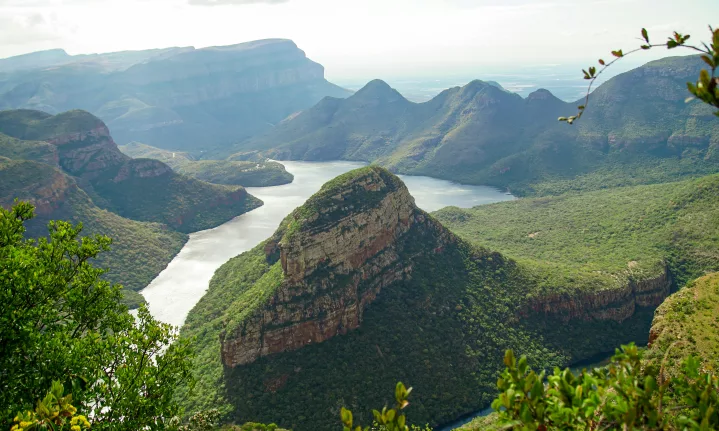
The Blyde River is responsible for one of South Africa’s most recognisable landscapes, but the best way to understand the scale of the canyon is to get off the road and walk through it.
The Blyde River Canyon Nature Reserve has several hiking options, including the Belvedere day walk and the longer Waterval Trail. The latter is a roughly three-day route running from Paradise Camp towards Bourke’s Luck Potholes, passing through different sections of the canyon landscape along the way. The trail was designed as a self-guided hiking experience, with rustic accommodation available along the route.
This is not the sort of river hike where you spend the entire day with your feet beside the water. Instead, the river is the thread holding the landscape together. You walk through high canyon country, forested sections and dramatic terrain while the Blyde shapes the scenery around you.
For experienced hikers, the longer route turns what is often a scenic-drive destination into a proper walking adventure.
Best for: A multi-day river landscape experience and hikers who want more than a viewpoint.
Augrabies Falls and the Orange River, Northern Cape
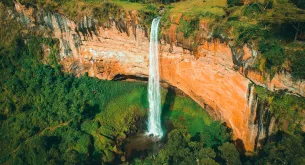
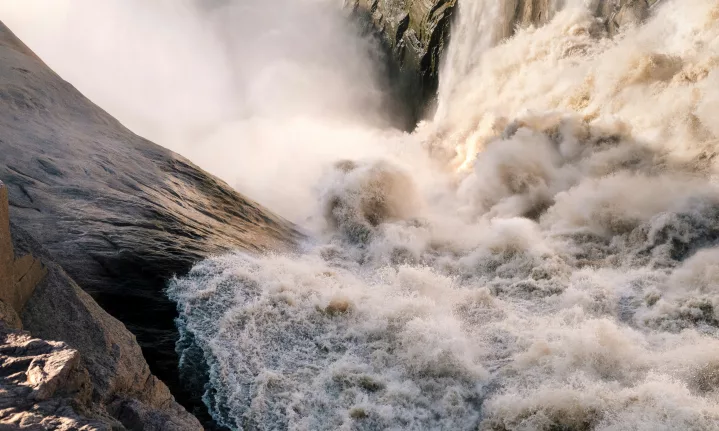
The Orange River looks very different once it reaches the arid Northern Cape. At Augrabies Falls National Park, it has carved an immense gorge through the landscape, culminating in the 56m-high Augrabies Falls.
The park’s most serious walking option is the Klipspringer Hiking Trail, a three-day, 35.8km route divided over three days. SANParks describes it as a rigorous hike, with the second day being the most difficult. The trail requires advance booking and is closed from 15 October to 31 March because of the extreme heat.
For a shorter experience, the 8km Dassie Interpretative Trail follows the gorge before looping back to the rest camp.
The attraction here is not lush vegetation or cool mountain pools. It is the opposite. The Orange River cuts through an immense, dry landscape of granite, rock and desert vegetation, making the contrast between water and wilderness particularly striking.
And if you arrive when the river is running strongly, you will understand why the Khoi name for the falls, Aukoerebis, is translated as the ‘Place of Great Noise’.
Best for: Dramatic scenery, long-distance hiking and seeing how a river shapes an arid landscape.
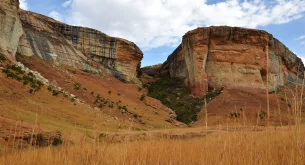
Oorlogskloof Nature Reserve, Northern Cape
Oorlogskloof is the kind of place that rewards travellers who are willing to slow down.
The reserve’s rugged landscape is cut by rivers and gorges, with waterfalls and pools providing natural focal points along the hiking routes.
What makes Oorlogskloof interesting is the sense of scale. The water is not simply a swimming stop at the end of a trail. It is part of a much larger landscape of cliffs, valleys and open Northern Cape wilderness.
In warmer months, pools along river sections can provide welcome relief, but hikers should never treat a river as predictable. Rainfall upstream can change conditions quickly, even when the weather above you appears clear.
Best for: Remote-feeling wilderness, dramatic rock formations and travellers who prefer the road less travelled.
The Karkloof River Walk, KwaZulu-Natal
This one is slightly different. The Karkloof River Walk was not designed as a conventional tourist hiking trail. In 2017, a team from the Karkloof Conservancy, WWF-SA, the Endangered Wildlife Trust and GroundTruth walked approximately 65km of the Karkloof River over six days, travelling from source to confluence.
Their purpose was to assess the condition of the river, including its biological health, water quality and surrounding riparian habitat. Thirty-seven sites were assessed along the route. It is an interesting reminder that a river walk can be about more than recreation. Walking beside a river gives you a different understanding of the landscape, from erosion and vegetation to the way water connects communities and ecosystems downstream.
The Karkloof River is part of the uMngeni catchment and contributes to the uMngeni River and Albert Falls Dam, an important water resource for Durban.
You do not necessarily need to recreate the full six-day research walk to appreciate the idea behind it. A river can be a destination in itself, but it can also be a way of reading the landscape.
Best for: Curious hikers, conservation-minded travellers and anyone who wants to see rivers beyond the usual adventure-tourism lens.
A different kind of hiking adventure
River hiking asks you to pay attention. A mountain trail might have a summit as its obvious reward. A river trail is more unpredictable. The landscape changes with rainfall, the water level rises and falls, rocks become slippery, and a crossing that was easy one week may be unsafe the next.
That is part of the appeal, but it also means river hikes require a little more preparation. Check weather and trail conditions before leaving, especially after heavy rain. Wear shoes with good grip and expect them to get wet on routes with crossings. Carry enough water and food, even when the river is flowing beside you, as untreated river water should not automatically be assumed safe to drink.
And never underestimate moving water. If a river is swollen or a crossing looks unsafe, turn around. There is no photograph worth risking your life for.
Follow the water
You do not have to paddle down a river to have a proper river adventure. Sometimes the better experience is to walk beside it, cross it, climb above it and eventually sit beside a pool with tired legs and wet shoes. South Africa’s rivers run through some of its most dramatic landscapes, from the sandstone and forested gorges of KwaZulu-Natal to the granite wilderness of the Northern Cape.
So next time you are looking for an adventure on the water, leave the canoe at home. Find a trail, follow the river upstream and see where it takes you.
Follow us on social media for more travel news, inspiration, and guides. You can also tag us to be featured.
Instagram | Facebook | Twitter | Spotify
ALSO READ: